


Table of Contents
- What Is Toxic Mold Exposure?
- 10 Warning Signs of Mold Toxicity
- What Causes Mold Toxicity and Who Is Most at Risk?
- How to Test for Mold Toxicity
- How to Detox From Mold and Mycotoxins
- Recovery From Toxic Mold Exposure Is Possible
- FAQs
If you have been doing everything right, eating clean, taking your supplements, managing your stress, and you are still struggling with symptoms no one can explain, I want you to know you are not imagining it. Sometimes the missing piece is hiding in the very place you feel safest: your home.
I learned this firsthand. I have been through toxic mold exposure myself, more than once, and I know how isolating and frightening it is when your body is breaking down, and conventional medicine cannot tell you why. It is one of the most personal topics I write and talk about.
Take a listen to my most vulnerable episode of Take Back Your Health® podcast on my experience navigating toxic mold exposure.
It’s important to note that not all mold is dangerous. Some molds simply trigger allergy-like symptoms. Others release mycotoxins, the toxic compounds that can make you seriously ill. In this article, I will walk you through the warning signs of mold toxicity, the causes, how to test for it, and how to support your body as it detoxes. Most importantly, I want you to know that recovery is possible because I have done it myself.

What Is Toxic Mold Exposure?
Before we get into the warning signs, it helps to understand three terms that often get used interchangeably.
Mold is a natural fungus that grows both indoors and outdoors. Mycotoxins are the toxic compounds that certain molds release into their environment. (1) Mold toxicity is a chronic illness that develops when your body is exposed to mycotoxins and cannot clear them.
Here is the key distinction: not all mold is toxic. Some molds only trigger mild, allergy-like symptoms. However, certain species produce mycotoxins that cause complex, whole-body illness.
The most common toxic molds include:
-
Stachybotrys chartarum, often called black mold
-
Aspergillus
-
Penicillium
-
Chaetomium
-
Fusarium
What makes this so important is how common exposure actually is. Roughly half of U.S. buildings have damp or mold conditions, and an estimated 85% of surveyed office buildings have had water damage at some point. (2) The mold itself often stays hidden under floorboards, behind walls, or in the seam between a window and its frame, which is exactly why it goes unnoticed for so long.
10 Warning Signs of Mold Toxicity
Mold toxicity is frequently overlooked in conventional medicine because its symptoms overlap with those of many other conditions.
If you recognize several of the signs below, especially if they improve when you leave a certain building, mold may be the hidden root cause.
-
Chronic, unexplained fatigue that does not improve with rest
-
Brain fog, poor memory, and difficulty concentrating
-
Mood changes, including anxiety and irritability
-
Headaches, dizziness, or vertigo
-
Sinus congestion and respiratory issues
-
Muscle pain and aches that can feel fibromyalgia-like
-
Digestive issues such as bloating and new food intolerances
-
Numbness and tingling in the extremities
-
Tinnitus, or ringing in the ears
-
Unexplained weight changes, a metallic taste, or excessive thirst
It is worth distinguishing a simple mold allergy from true mold toxicity. A mold allergy tends to produce milder symptoms such as an itchy throat, cough, sinus congestion, and eye irritation that come and go. Mold toxicity is more complex and chronic, affecting multiple systems throughout your body at once. If your symptoms read like a list of seemingly unrelated problems, that pattern itself is a clue.
What Causes Mold Toxicity and Who Is Most at Risk?
Everyone can be affected by toxic mold exposure, yet some people become severely ill while others in the same household feel completely fine. The difference comes down to your home environment, your existing level of inflammation, your diet, and your genetics.
Genetics plays a powerful role. Roughly three-quarters of people can clear mycotoxins without much trouble. However, one in four are genetically vulnerable, often due to variations in the HLA-DR gene that impair the body's ability to recognize and eliminate mycotoxins. (3) This is why one family member can be visibly sick while everyone else feels fine. I carry this genetic variation myself, which is part of why my own exposures hit me so hard.
Here is what happens in the body: mycotoxins enter through your airways or through a leaky gut, cross into your bloodstream, and disrupt your mitochondria, the energy producers inside your cells. This drives oxidative stress and chronic inflammation, which can push you further up the Autoimmune Spectrum™. Understanding the root causes of leaky gut helps explain why mold so often becomes a whole-body problem.
How to Test for Mold Toxicity
Pinpointing the source is the essential first step toward feeling better. These are the main ways to confirm whether mold is the culprit in both your body and your environment.
-
Process of elimination. Leave the suspected environment for up to two weeks and track whether your symptoms improve. Think of it as an elimination diet for your environment.
-
Urine mycotoxin testing. This checks for specific mycotoxins present in your body.
-
HLA-DR gene testing. A one-time blood test can reveal whether you are genetically predisposed to retaining mycotoxins. (3)
-
Environmental testing. ERMI dust testing and air or spore sampling can identify mold in your home. Keep in mind that mold testing is not the same as mycotoxin testing.
How to Detox From Mold and Mycotoxins
Once you know mold is the issue, recovery follows a clear path. This is part of Pillar III of The Myers Way®: Tame the Toxins.
Step 1: Remove the Source
You cannot detox your body while you are still living or working in a moldy environment. Hire a qualified remediation company, stay elsewhere while the work is done, and replace any contaminated items so you do not relapse. Surface cleaning is never enough, because mycotoxins penetrate deep into porous materials.
Step 2: Support Your Body's Detox Pathways
Once the source is gone, the real work of clearing what has already accumulated begins. I created the Toxic Mold Detox Bundle around three supplements that work in sequence to support your body's natural detoxification. All of my supplements are physician-formulated and free of gluten, wheat, dairy, corn, soy, GMOs, and yeast.
First, you take Acetyl-Glutathione and Liver Support to pull out the toxins, and then Charcoal Binder Complete to bind to the toxins. An important note is to make sure you take the activated charcoal two hours apart from other supplements and medication so it does not interfere.
-
Acetyl-Glutathione delivers your body's master detoxifier in the highest bioavailable form. Glutathione is concentrated in your liver and central to detoxification, and it is rapidly depleted during toxic mold exposure.
-
Liver Support features N-Acetyl-Cysteine (NAC), a precursor your body uses to produce more glutathione, while supporting your liver as it filters and processes toxins.
-
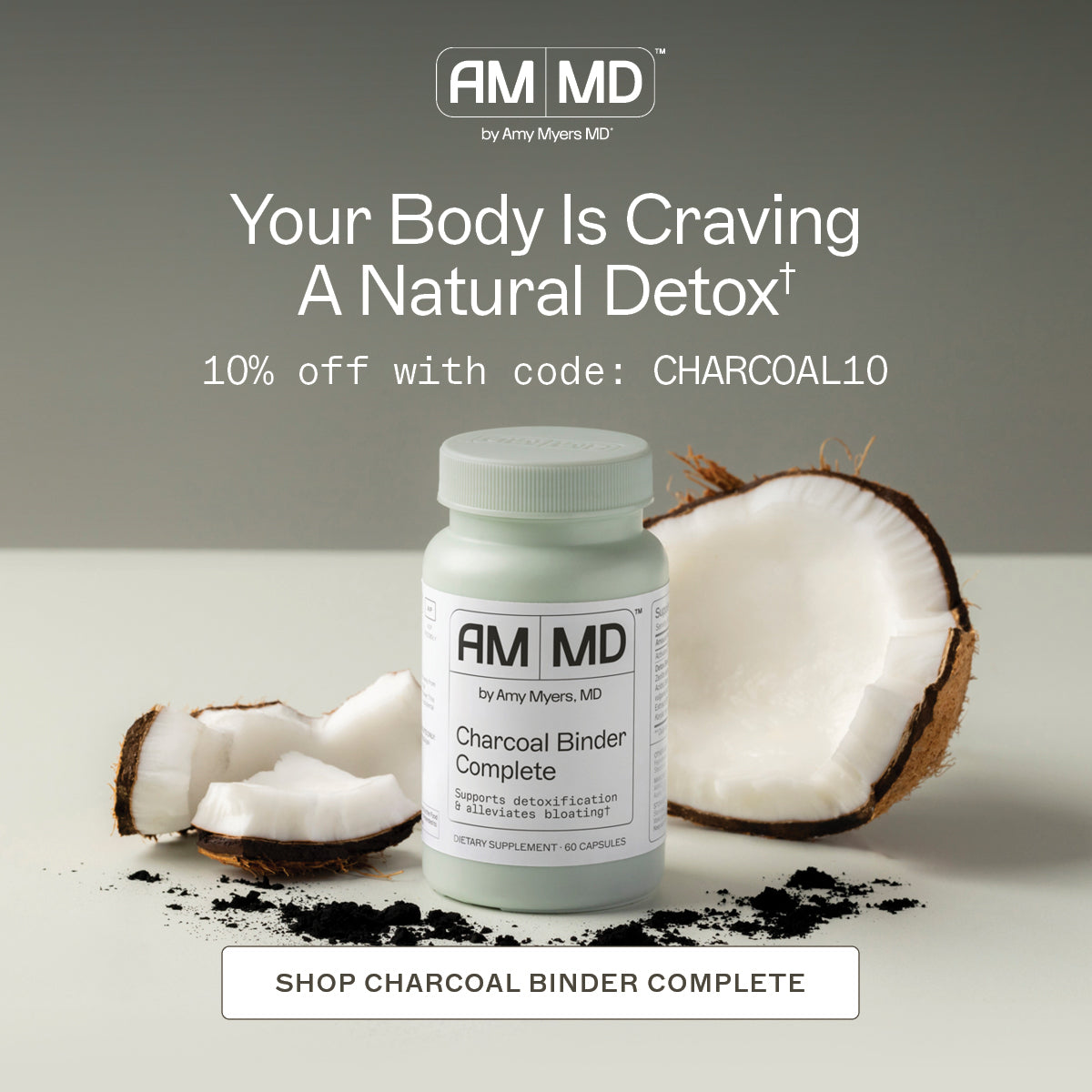
Charcoal Binder Complete features activated charcoal that binds to mycotoxins and helps escort them out of your body before they can be reabsorbed.
You can find all three together in the Toxic Mold Detox Bundle, the most convenient way to support each step of this process.
Step 3: Support Detox Through Lifestyle
Finally, support your body's natural elimination pathways by sweating daily, ideally through an infrared sauna. I personally recommend Sunlighten Infrared Saunas. Eating a nutrient-dense diet that removes inflammatory foods such as gluten, dairy, grains, legumes, sugar, and alcohol. Relieving your stress through meditation, breathwork, and rest.
Underneath all of this, I recommend four essential nutrients, including The Myers Way® Multivitamin, Complete Omega-3, 30 Billion Probiotic, and Vitamin D3 with K2. I also recommend cleaning your air using an air purifier with HEPA filters such as AirDoctor.
Toxic mold exposure can take a real emotional toll. My own experience left me with PTSD, and addressing that emotional weight was a meaningful part of my recovery. If this resonates with you, consider working with a qualified trauma-informed practitioner alongside your physical healing.
Recovery From Toxic Mold Exposure Is Possible
If you take away one piece of information, let it be this: mold toxicity is reversible. I have recovered from toxic mold exposure more than once, and I have watched countless patients do the same. Remove and replace the source, support your body's natural detox pathways, and lean on The Myers Way® to rebuild from the ground up. You deserve to feel like yourself again, and you can!
FAQs
-
What are the warning signs of mold toxicity?
The most common warning signs of mold toxicity include chronic fatigue, brain fog and memory problems, mood changes like anxiety, headaches or dizziness, sinus and respiratory issues, muscle pain, digestive trouble, numbness and tingling, ringing in the ears, and unexplained weight changes. Because these symptoms overlap with so many other conditions, mold toxicity is frequently missed in conventional medicine. If your symptoms improve when you leave a particular building and return when you go back, mold may be the hidden root cause. -
What is the difference between mold allergy and mold toxicity?
A mold allergy is an immune reaction to mold spores that produces symptoms similar to seasonal allergies, such as an itchy throat, cough, sinus congestion, and eye irritation, which tend to come and go. Mold toxicity is different and often more serious: it results from exposure to mycotoxins, the poisonous compounds produced by certain toxic molds, and can cause complex, chronic, whole-body symptoms. The biggest clue is severity, mold toxicity tends to produce more debilitating and wide-ranging issues than a simple allergy. -
Why does mold make some people sicker than others?
Everyone processes mold exposure differently, largely because of genetics, existing inflammation, and total toxic burden. Certain HLA-DR gene variations impair the body's ability to recognize and clear mycotoxins, so those individuals can stay sick long after the exposure ends. (3) People with chronic inflammation, autoimmune conditions, or a leaky gut are also more vulnerable, because their immune systems are already overworked. -
How do you test for mold toxicity?
Start with the process of elimination: leave the suspected environment for up to two weeks and notice whether your symptoms improve. From there, a urine mycotoxin test can detect specific mycotoxins in your body, and a one-time HLA-DR gene test can reveal whether you're genetically predisposed to retaining them. To check your environment, ERMI dust testing and air sampling can identify mold, though it's important to remember that mold testing is not the same as mycotoxin testing. -
How do you detox your body from mold and mycotoxins?
The first and most important step is removing the source, because you cannot detox while still living or working in a moldy environment. From there, support your body's natural detoxification pathways: glutathione is your master antioxidant for clearing toxins, NAC in Liver Support helps your liver produce more of it, and a charcoal binder helps trap and remove mycotoxins. Sweating through an infrared sauna, eating a clean nutrient-dense diet, and relieving stress all further support your recovery.
Article Resources


Leave a Comment