


When we reach for an alcoholic drink, the goal may be relaxation, social connection, or just winding down after a long day. Many people assume that occasional alcohol consumption carries no consequences. Even moderate consumption of alcohol can influence immune balance and overall wellness. Research shows that alcohol can subtly impact how your body defends itself and recovers.
In this article, I will explain how alcohol affects immune responses, healing, and long-term vitality. You will learn the mechanisms, see how drinking may affect your immune system, and discover ways to support it. Even one drink matters for immune health.
What Your Immune System Does and Why It Matters
Your immune system is your body’s defence network against harmful microbes, toxins, and damaged cells. It has two major arms: innate immunity, which delivers rapid general responses, and adaptive immunity, which provides targeted responses and memory of past exposures. For example, innate immunity includes cells such as neutrophils and macrophages that attack invaders quickly. Adaptive immunity includes B-cells that produce antibodies and T-cells that target specific threats. (1)
This system matters not only for protecting you from infections but also for supporting recovery after illness or injury. Maintaining a balanced immune system means your body responds when it should, recovers when it must, and does not stay in a state of persistent inflammation. Without immune balance, you may see more frequent infections, slower healing, or chronic low-grade immune activation, which can lead to chronic inflammation. You may even ask yourself, “Why do I get sick so often?” The answer may lie in immune imbalance, lifestyle stress and alcohol consumption habits.
How Does Alcohol Affect Your Immune System in the Short Term?
One episode of heavy drinking can temporarily suppress your body’s immune defenses. After excess alcohol, you may experience fatigue, feel under the weather, catch something more easily, or heal more slowly from illness or injury. Research shows that even after a night of heavy drinking, immune cell signaling and function are disrupted. (2)
A common question is, How long does it take for your immune system to recover after drinking? The answer depends on multiple factors: hydration status, nutrition, frequency of drinking, baseline health, and how much alcohol was consumed. If you drink infrequently and moderately, your immune system may recover within a day or two. Heavy or repeated drinking requires longer recovery and leaves you more vulnerable.
Does Alcohol Weaken the Immune System Over Time?
Consistent or heavy drinking can impair immune cell function and disrupt the balance of inflammation and cell repair. Chronic alcohol intake lowers lymphocyte counts, reduces white blood cell effectiveness, and increases the risk of bacterial and viral infections. (3) Long-term effects alcohol has on the body include slowing tissue repair and increasing the risk of ongoing inflammation.
Even light or moderate drinking may affect immunity, especially when combined with poor sleep, high stress, gut dysfunction, and poor nutrition. Studies show that moderate drinkers still may face altered immune responses compared to those who do not drink alcohol. (4) Dose, frequency, and individual context all matter, as does the health of the brain, gut, and liver, which all play vital roles in immune communication.
What Happens in the Body When Alcohol Disrupts Immunity
The gut plays a central role in immune health. Alcohol can damage the gut barrier, allow endotoxins to leak into circulation and disrupt the delicate balance of the gut microbiome. This gut-immune connection means that a compromised gut barrier triggers the immune system inappropriately, leading to increased inflammation and reduced immune resilience. (5) It’s also the perfect storm for Candida to thrive.
A common question is: Are some types of alcohol worse for your immune health? All types can affect immune health when consumed in excess. Individual tolerance, serving size, and beverage type still matter. Sugary mixed drinks impose an extra burden through sugar-driven inflammation.
Alcohol’s Effect on Immune Cells and Signaling
Alcohol alters how white blood cells, such as neutrophils and macrophages function. It changes cytokine signaling, which can blunt immune responses or promote excessive inflammation in the wrong places. (6) The body’s natural defense system is weakened, and it can take longer to identify and clear pathogens.
Oxidative Stress and Organ Impact
Alcohol contributes to oxidative stress by damaging your mitochondria. When mitochondria are damaged, it leads to chronic inflammation and cell death. Alcohol creates toxic metabolites and by-products such as acetaldehyde. Organs such as the liver, lungs, and gut are affected, and these organs are important immune regulators. (7) When these organs are stressed, your immune system may be overworked or dysregulated, undermining long-term wellness.
Supporting your immune system is essential. ImmuneSynergy is a proprietary blend of synergistic immune vitamins, minerals, and botanicals. It combines high-potency antioxidants with phytonutrients to help your body fight oxidative damage and maintain a healthy inflammatory response.
Learn more about cell health and the power of your mitochondria in this episode of Take Back Your Health™.
How to Know if Alcohol Is Affecting Your Immune Health
You may notice signs of alcohol negatively impacting your immune system. Frequent colds or respiratory infections, slower recovery from illness or injury, increased fatigue or flare-ups of autoimmune symptoms are common indicators. When these patterns appear, consider limiting alcohol intake or consulting a functional medicine practitioner. Individual responses vary depending on overall health, gut integrity, sleep quality, and nutrition.
How to Support Immune Health if You Drink

If you choose to drink, you can support your immune system intentionally. Focus on nutrient-dense, AIP-compliant foods and consider adding wellness vitamins to your routine. Think dark leafy greens, cruciferous vegetables, wild-caught fish, organ meats as tolerated, coconut-derived fats, and colorful vegetables.
Stay hydrated, ensure restorative sleep, manage stress, and maintain gut-supporting practices. Space out drinking days so your body has time to recover. Support liver and gut health with high-quality protein, AIP-friendly herbs such as turmeric or ginger, and fermented coconut yogurt if you can tolerate it, or other probiotic-rich foods.
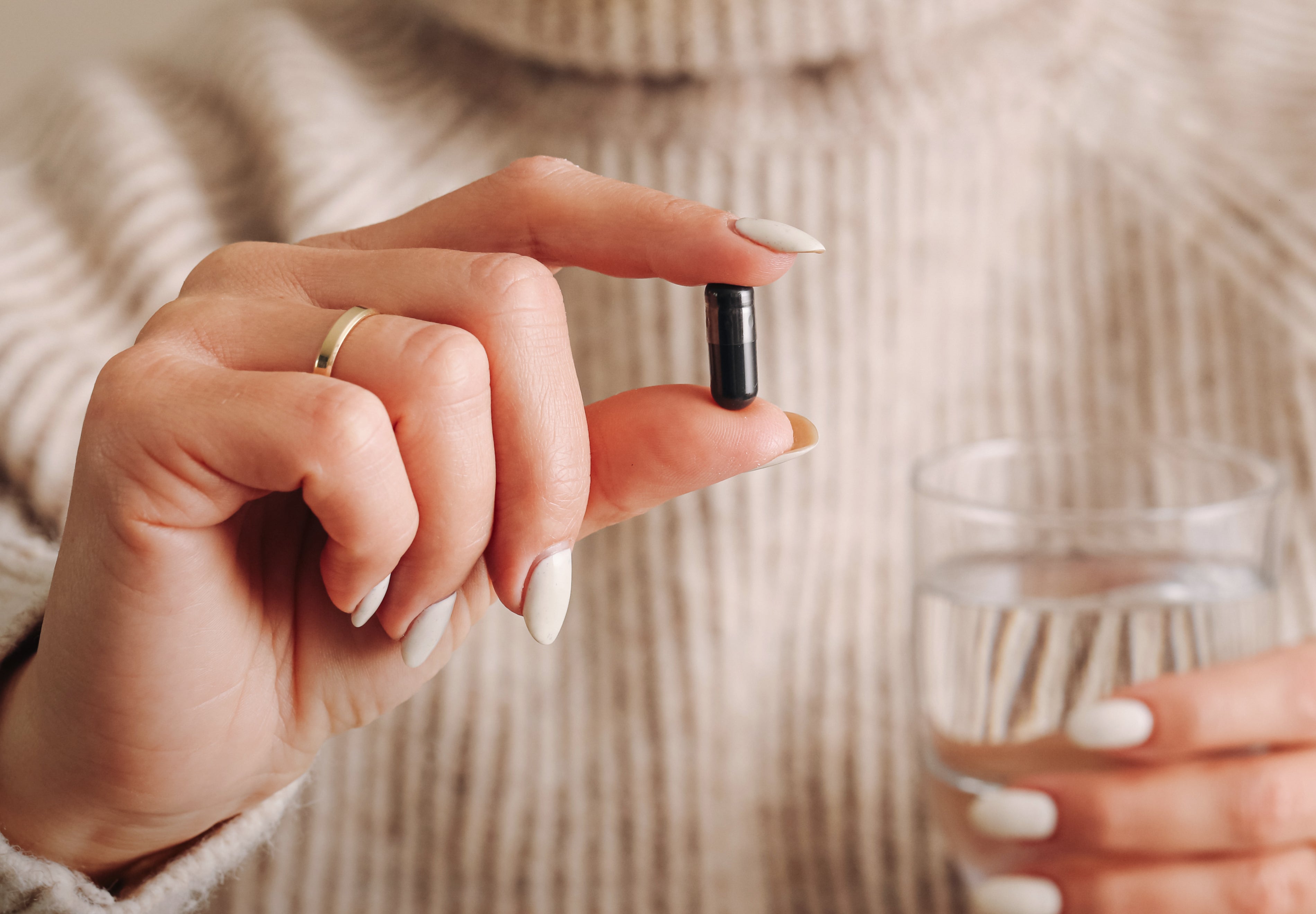
There are also several ways you can remove alcohol from your body. This includes prioritizing sleep, getting plenty of fluids, eating food, and taking activated charcoal such as AMMD™’s Charcoal Binder Complete.
Functional Medicine Perspective on Alcohol and Immunity
Functional medicine evaluates root causes of immune imbalance rather than focusing solely on symptoms. We assess how alcohol interacts with the gut, liver, detox pathways, microbiome, sleep, stress, and nutrient status. Lab testing may reveal markers such as inflammatory cytokines, gut microbiome imbalances, liver enzyme elevations, or altered immune cell profiles. From that foundation, targeted lifestyle adjustments, nutrition protocols, and supplementation may be implemented. This approach strengthens the entire body from the inside out, going beyond simply reducing alcohol intake to focus on making your immune system stronger.
Strengthen Your Immune System and Make Informed Choices
Alcohol affects immune function depending on dose, frequency and personal health. One drink may seem harmless, yet over time or with poor health, it can weaken defenses, slow healing, and reduce vitality. You can make intentional choices that align with wellness goals. For immune support, explore the Immune Health Bundle, Gut & Immune Health Bundle or ImmuneSynergy, which offers proactive immune support and is especially helpful during times when your body needs additional defense.
For a deeper dive into gut and immune resilience, take a listen to this episode of Take Back Your Health™ about supporting immune and gut function.
It’s crucial to protect your immune system, support it, and make choices that empower long-term wellness, such as eliminating alcohol altogether.
Article Resources






Leave a Comment