


Our generation faces more toxins than any other generation in history. Western culture is even worse. In fact, a recent report shows that the US ranks as only the 35th healthiest country (1). I've personally dealt with mold and mycotoxin exposure. It slowed the construction of our new home and sent me into an emotional storm for months. I had to stay somewhere else while professionals took care of it. It was a very traumatizing experience, one that I talk about more in my solo podcast episode. Knowing how to test for toxins can save you a lot of physical, emotional, and financial problems.
Pesticides and herbicides saturate our lawns and gardens. Heavy metals are in the air and the water. If you’ve ever lived in a damp environment, you may also be dealing with hidden mycotoxins. A buildup can cause all sorts of health problems. Take plastic, for example. Researchers note how microplastics can change the very nature of the microbiome (2). Disrupting a healthy microbiome leaves you susceptible to other health problems.
Many toxins also cause hormone dysfunction. Hormone imbalances lead to autoimmune disease and certain cancers (3). Knowing how to test for toxins in your body can help you reduce your toxic burden. This reduces your risk of chronic inflammation and autoimmune disease.
There are many tests you can use to check for toxins. Before I get into all the different kinds, let’s understand what they are.
What Are Toxins?
Toxins are dangerous substances to the body and the environment. Heavy metals are good examples. Lead gets into public waterways through old piping. Arsenic and cadmium can leach into food from pesticides and herbicides. Mercury comes from old dental fillings. What makes heavy metal toxins dangerous is their effects on your health. They can impair neurologic, cognitive, and metabolic function in some people.
Take a listen to my episode of Take Back Your Health™ podcast on Biological Dentistry with Dr. Nunnally and Dr. Freeman to learn more about mercury fillings.
It doesn’t stop there, though. There are environmental toxins such as pesticides and herbicides. You can also find them in cleaning products, body care products, and even makeup! Even furniture has flame-retardant chemicals that may contain heavy metals such as cadmium and antimony. Many plastics contain BPA. These mimic estrogen and wreak havoc on your digestion, reproduction, and immune system.
There are also microbial and bacterial toxins. If you’ve ever lived in a house with mold, you likely have some mycotoxins in your system. In my podcast episode with Dr. Ann Shippy, we go in-depth on the physical and emotionally devastating effects of toxic mold exposure.
How Do Toxins Get In Your Body?
There are several ways toxins enter your body. Some of the most common ways are by breathing them in, eating them, and absorbing them.
People spend most of their time indoors. In fact, some research suggests we spend as much as 90% of our time indoors (4). Indoor air can be two to five times more polluted than outdoor air. You also breathe them in when you’re cleaning your house or are near someone who smokes.
You might think those fruits and vegetables at the grocery store are good for you. Unless they're 100% organic, they’re not as healthy as you think. Conventional produce usually contains pesticides and herbicides. Many conventional soaps, shaving creams, makeup, and lotions contain toxic chemicals your skin absorbs.
We once thought there were 80,000 chemicals registered for commercial use in the US. However, a recent discovery shows that number is three times higher than previously thought. That’s right, over 350,000 chemicals and chemical mixtures now exist in the US. What’s worse, there is very little research on how these impact human health (5).
While this information is disheartening, there is hope. I want to talk about how to test for toxins in your body. This will help you on your healing journey.
Types of Toxins to Test For
If you sense that toxins are behind your symptoms, what can you do? Thankfully, there is a wide variety of toxicity test options. Look for tests that target:

-
Heavy Metals: Lead, mercury, arsenic, and cadmium can negatively impact overall health.
-
Mycotoxins: Fungal toxins from mold exposure, common in damp environments.
-
Pesticides and Herbicides: Exposure to agricultural chemicals can accumulate in the body.
-
Environmental Toxins: VOCs (volatile organic compounds), industrial pollutants, and household chemicals.
-
Endocrine Disruptors: Chemicals such as BPA and phthalates can interfere with hormonal function.
-
Bacterial Toxins: Certain bacterial toxins can affect gut and immune health. Examples include Clostridium difficile
Once you test outside the body, you need to know how to test for toxins in your body. Different tests check for different toxins. Thankfully, many of these are reliable, cost-effective, and provide quick results.
How To Test For Toxins In Your Body
First of all, I recommend working with a functional medicine practitioner when testing for toxins. They can order these tests for you depending on the wellness plan you create together.
Functional medicine understands toxins are a root cause of many illnesses. Knowing how to test for toxins in your body means taking a deeper look into what is going on inside you. Most toxicity tests use urine, stool, hair, and sometimes blood samples.
Blood Tests for Toxins
Sometimes, heavy metals or environmental toxins trigger an elevation in liver enzymes. These enzymes, particularly ALT, AST, and GGT, can indicate toxins in the body. Some tests can also check kidney, micronutrient, and inflammatory markers (6).
One of the benefits of getting blood tests is that it tells you your current toxin exposure. On that note, it’s important to remember that heavy metals are often stored in your fat tissue. This means a blood test doesn’t reflect long-term exposure to toxins. It can also make it difficult to determine the true level of toxicity you carry.
Mycotoxin Urine Test
Mycotoxins are harmful substances caused by certain molds and fungi. Oftentimes, they’re released into the air and you breathe them in. People with mycotoxins may experience allergy-like symptoms, brain fog, or chronic fatigue. Others experience skin rashes or digestive imbalances.
Taking a mycotoxin urine test can check for fungal and bacterial toxins in the body (7). This can be particularly helpful for patients who have come in contact with mold. Many of these tests check for mycotoxins such as citrinin, ochratoxin a, and fumonisin. They can also check for aflatoxin b1 and zearalenone.
However, mycotoxin urine test research is still in its infancy. Some tests may not be as accurate as others. Inaccuracies can lead to over-treating or a misleading treatment plan. Some people may also lean too heavily on their mycotoxin urine test and ignore other aspects of their health.
Heavy Metal Hair Test
Another way of knowing how to test for heavy metals in your body is with a heavy metal hair test. Oftentimes, this type of hair analysis can pick up low levels of heavy metals built up over a long time. It’s an ideal way to detect and monitor environmental toxins in the body (8).
Stool Test for Bacterial Toxins
A buildup of bacteria or fungal toxins can trigger digestive and immune imbalances. This can lead to chronic bloating, constipation, or diarrhea. Fungal or bacterial toxins can also be behind skin conditions such as acne or eczema. One way to assess your current gut health is by using a stool test. A stool test can also pick up fungal or bacterial toxins in the gut.
One of the most popular stool tests is the GI-MAP Stool Test. This test can pick up bacterial toxins including H. Pylori and H. Pylori antibiotic-resistant genes. It can also detect parasites, and candida overgrowth. This stool test also gives you an idea of the number of helpful and harmful gut bacteria. The GI-MAP Stool Test even picks up inflammatory markers. Gluten sensitivity and immune function are examples. Other stool test options include GI360 and GI Effects® from Genova Testing (9).
Environmental Toxin Testing
Yes, you need to know how to test for toxins in your body. Testing your environment is also critical. There are several home toxin testing kits on the market today. Some environmental toxins testing kits look for VOCs, pesticides, industrial chemicals, and more. Common environmental toxins include parabens and benzene. Other examples include toluene, phthalates, and many others.
In addition to home toxin testing, there are also professional services available. These come in handy if you don’t want to test for environmental toxins on your own. Both are practical ways to identify and manage toxin exposure for you and your loved ones.
Importance of Regular Toxin Testing
Our world grows more toxic with each passing year. That’s why it’s so important you know how to test for toxins in your body and your environment. Most people don’t notice something is wrong right away. They may feel strange, persistent symptoms for weeks and have no idea why.
Regularly testing your home and body can put you on the path to optimal wellness. Heavy metals, endocrine disruptors, and environmental toxins can build up in your body. Anything foreign or dangerous in your body will trigger an immune response.
Remember that toxins can interfere with healthy cellular function and hormone dysfunction (10). It also triggers chronic oxidative stress and inflammation. Left unchecked, chronic inflammation can contribute to DNA damage and autoimmune disease. All of this begins in the cell. You can learn more about how mitochondrial health may shape the future of medicine in my podcast episode with Dr. Todd LePine.
Don’t want to wait until symptoms appear. Pairing regular toxin testing with lifestyle modifications can reduce your risk of developing chronic diseases.
Steps to Reduce Toxic Burden
My main strategies for reducing your toxic burden are prevention and detoxification. Before you do that, however, find out which toxins you’re exposed to. Home toxin testing can help you determine whether it's pesticides and herbicides. It can also pick up other environmental toxins or heavy metals.
Next, I recommend you get rid of all endocrine disruptors. This includes anything toxic in cookware, body care, and cleaning products. Learn to read labels. Some apps and websites can help you navigate toxins in many of your everyday household items. Invest in a quality air filter to reduce environmental toxins. Installing water filters can help reduce heavy metals in your water.
You can also reduce your toxic burden by supporting your body’s natural detoxification system. Glutathione acts as a powerful antioxidant that supports liver function. It also helps escort toxins such as heavy metals out of the body. Selenium, milk thistle, and alpha-lipoic acid are also incredibly helpful. My comprehensive Liver Support includes these essential nutrients for optimal detoxification support.
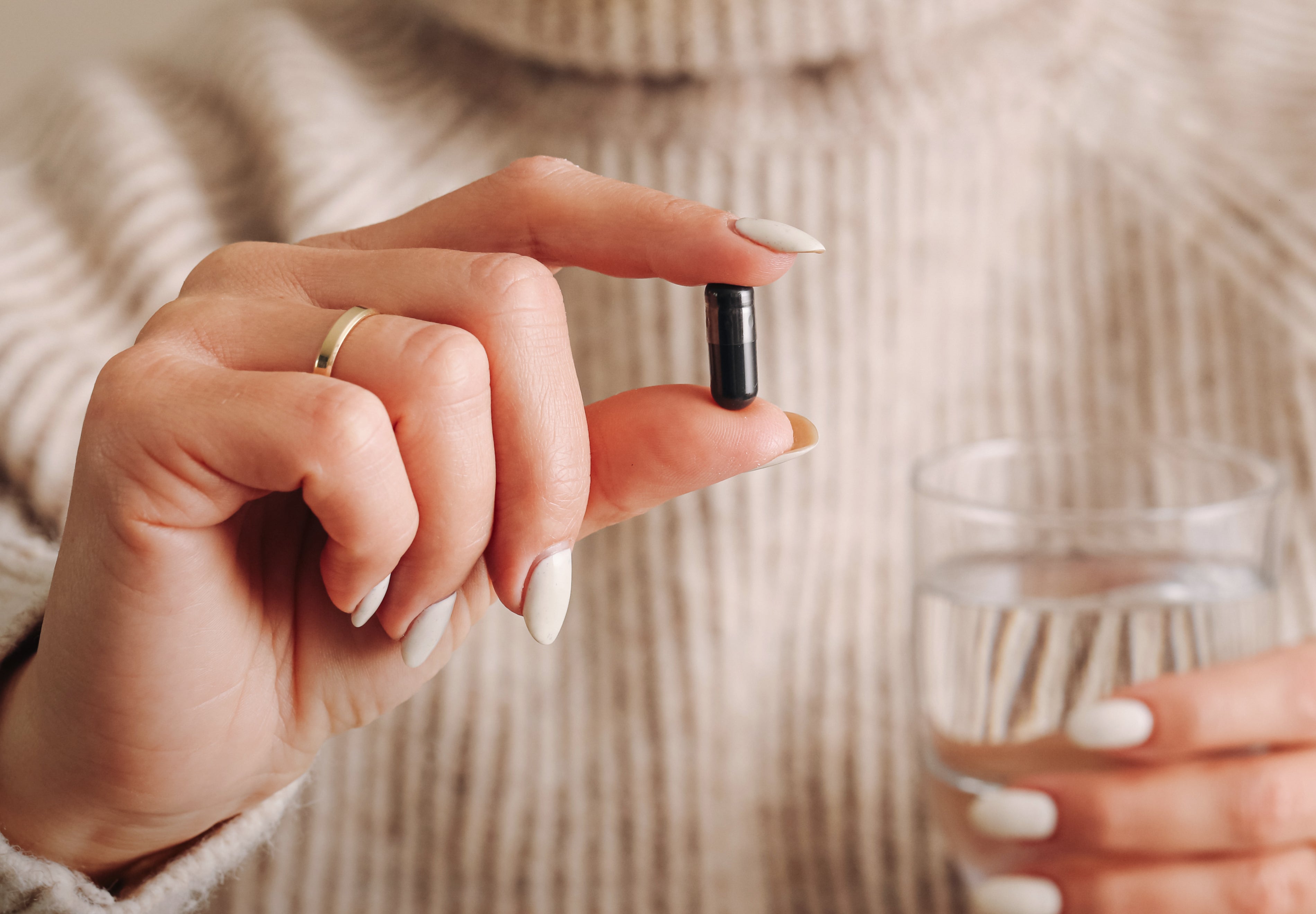
Detoxing your gut is equally important. Microb-Clear® supports healthy digestion with berberine, caprylic acid, zinc, and other nutrients. Charcoal Binder Complete is another way to effectively support gut detoxification. Activated charcoal attracts, traps, and removes toxins from the gut. You can also use it to relieve indigestion, gas, and bloating.
The Final Word
Toxins affect our health in more ways than one. BPAs in plastics can disrupt hormone function. Pesticides and herbicides trigger inflammation. Mycotoxins can cause digestive issues, skin conditions, joint pain, fatigue, and other symptoms. Learn more about this in my podcast interview with Dr. Jill Carnahan. In it, she shares how a cancer diagnosis led to the discovery of Crohn's disease. She also shares how mold and mycotoxins play a role in overall health.
It’s important to know how to test for toxins in your body. This can help you get to the root causes of your symptoms. The good news is you have several testing options. A blood test for toxins may detect the presence of heavy metals. Some even pick up mycotoxins. If you’re looking for a more noninvasive approach, a heavy metal hair test or mycotoxin urine test may be for you. You can also get a stool test to check for bacterial toxins.
In addition, supporting your body naturally is one of the best ways to reduce your toxic burden. Eating organic produce helps lower your exposure to pesticides and herbicides. Combining Glutathione with Liver Support helps your liver remove toxins safely and efficiently. Supporting your gut can also help maintain a healthy, low-toxin environment. Microb-Clear® helps break up stubborn toxic biofilms. Charcoal Binder Complete assists in the removal of gut toxins.
Regular toxin testing and lifestyle modifications are your greatest defenses against the harmful effects of toxins. It’s a journey we all must go on. That said, I’m confident taking these steps will help reduce your toxic burden and help you enjoy a healthier, happier life.
Article Resources




Leave a Comment