


Table of Contents
- What Are Mycotoxins?
- The Most Common Foods That Contain Mycotoxins
- Symptoms of Mycotoxin Poisoning
- How to Reduce Your Mycotoxin Exposure
- Supporting Your Body's Natural Detox Pathways
- Take Control of What's on Your Plate
- FAQs
When you think about toxic mold exposure, you likely picture a water-damaged building or a musty basement. What you may not realize is that mycotoxins might already be on your plate, hiding in everyday foods you eat morning, noon, and night.
I know this topic more personally than I would ever have expected through three significant toxic mold exposures in my life. The most devastating was in a home I had built specifically to be my safe haven in Santa Fe. I did everything right, or so I thought. What followed was a cascade of symptoms that took years to untangle, and it forever changed the way I think about toxic mold exposure in all of its forms.
Take a listen to my most personal podcast episode to learn about my devastating story and trauma around toxic mold exposure.
Toxic mold does not always announce itself with visible growth on a wall. Sometimes it hides in the foods you eat every single day. As a functional medicine physician, I have seen firsthand how a careful diet can still leave people struggling with unexplained fatigue, brain fog, and a dysregulated immune response. In some of those cases, the missing piece was mycotoxins in daily food and drinks.
What Are Mycotoxins?
Mycotoxins are toxic compounds produced by certain toxic molds and fungi that grow on crops during growth, harvest, and storage. The most common culprits include aflatoxins (from Aspergillus), ochratoxin A (OTA), fumonisins, deoxynivalenol (DON), and zearalenone (from Fusarium).
Here is what makes them especially tricky: mycotoxins are heat-stable. You cannot cook them away. They survive processing, roasting, and even pasteurization, which means they persist in the foods on your grocery store shelf.
Contamination happens during two situations. First in the field when crops are exposed to warm, humid conditions before harvest. Then, during storage and shipping, moisture and temperature fluctuations allow mold to take hold.
The Most Common Foods That Contain Mycotoxins
Not all foods carry the same level of risk. The highest-risk foods share a few characteristics: long storage times, high moisture content, or an improperly controlled supply chain.
Here are the major categories to know (1):

This is one of the many reasons I advise following The Myers Way® and removing gluten, grains, legumes, and conventional dairy. Doing so naturally eliminates a significant portion of the highest mycotoxin-laden foods from the diet.
Symptoms of Mycotoxin Poisoning
Mycotoxicosis is the term for the illness that results from mycotoxin exposure, whether from food or an environmental source such as a water-damaged building. Acute symptoms, including nausea, vomiting, diarrhea, and abdominal pain, are more common with high-level, short-term exposures.
Here is something that might surprise you: roughly one in four people are genetically vulnerable to mycotoxins. The other three-quarters of the population can be exposed to the same foods or environments and feel nothing at all. This is why one person in a household can be profoundly ill while everyone else feels fine, and why so many people with mycotoxin-related symptoms are told it is all in their head.
Chronic, low-level dietary mycotoxin exposure is far more common and far more overlooked. The symptoms of chronic exposure include (2):
-
Brain fog and difficulty concentrating
-
Chronic fatigue
-
Frequent headaches
-
Joint and muscle pain
-
Increase in sinus infections
-
Digestive issues, including bloating and irregular bowel movements
-
A dysregulated immune response
Since these symptoms overlap with so many other conditions, dietary mycotoxins are rarely the first consideration for a conventional physician. That is exactly why it pays to look at what you are eating.
How to Reduce Your Mycotoxin Exposure
The good news is that you have more control over your mycotoxin exposure than you may realize. Here are the steps I recommend:
- Choose high-quality, tested sources. Buy coffee, grains, and nuts from brands that third-party test for mycotoxins. Quality sourcing matters.
- Store food properly. Keep grains, nuts, and dried goods in cool, dry, sealed containers. Do not allow them to sit for extended periods.
- Discard moldy food entirely. Mycotoxins penetrate well below the visible surface of soft and high-moisture foods. Cutting off the moldy part is not sufficient to protect yourself. (3)
- Reduce the highest-risk foods. Following The Myers Way®, which removes gluten, grains, legumes, and conventional dairy, naturally eliminates many of the highest mycotoxin sources in the modern diet.
- Prioritize fresh, organic, whole foods. A diet rich in fresh non-starchy vegetables, wild-caught fish, pasture-raised proteins, and healthy fats such as avocado and coconut oil significantly reduces your exposure.
Supporting Your Body's Natural Detox Pathways
Even the most careful diet cannot eliminate every source of mycotoxin exposure. Pillar III of The Myers Way®: Tame the Toxins, addresses exactly this! Not only preventing toxins from coming in, but actively supporting your body's ability to get them out.
I recommend a three-part approach for those dealing with mycotoxin exposure:
- Replenish antioxidants. Acetyl-Glutathione supports your body's master antioxidant, glutathione, to promote cellular health and a healthy inflammatory response. Toxic mold rapidly depletes glutathione, which is why replenishing it is the critical first step.
- Support the liver. Liver Support provides milk thistle and other botanicals to support the liver's natural detoxification processes, along with NAC, the precursor to glutathione. (4)
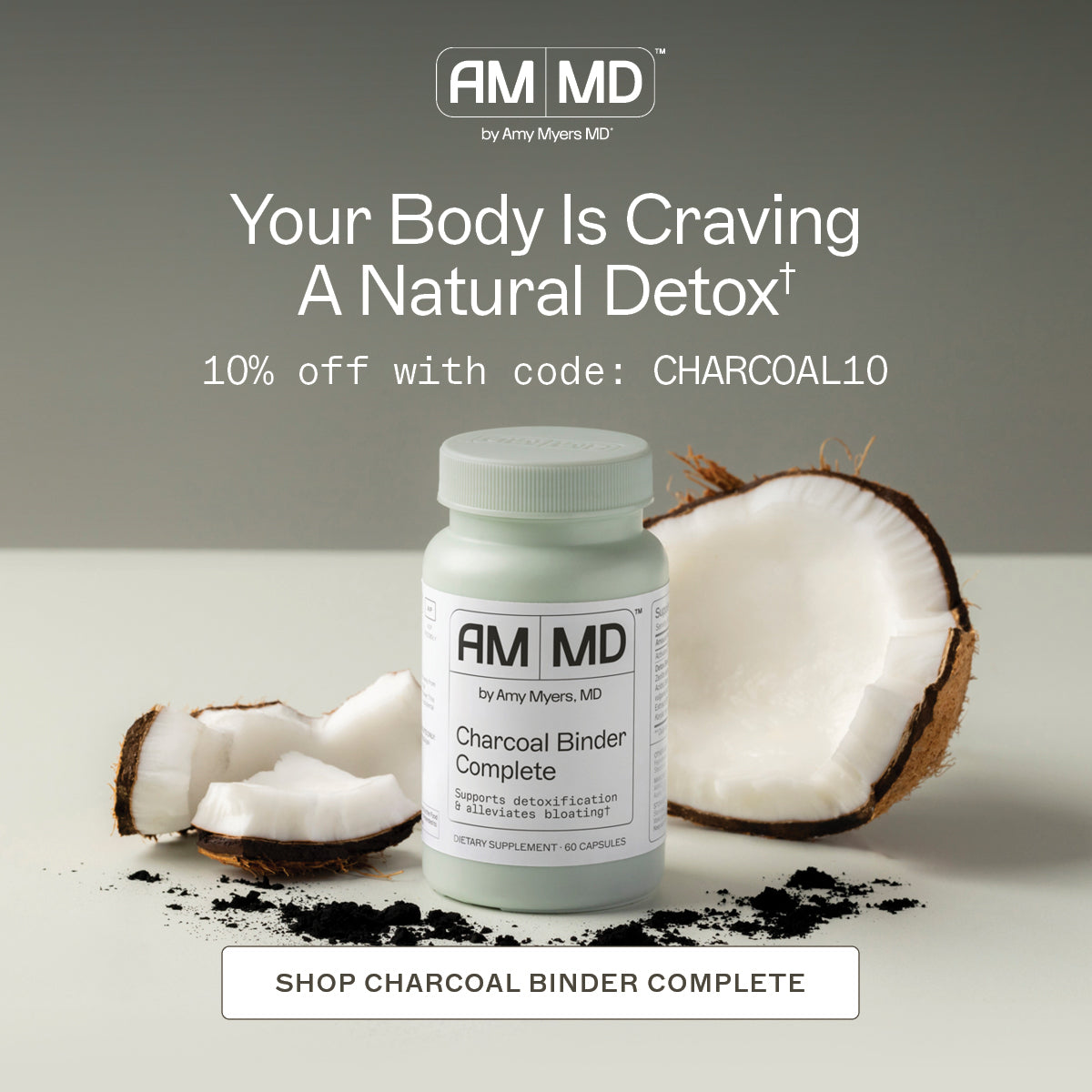
- Bind and clear. Charcoal Binder Complete features activated charcoal, Zeolite, and Chlorella, designed to bind and remove toxins and other unwanted compounds from the body before they can be reabsorbed. It also contains other beneficial botanicals and nutrients such as Shilajit, an ancient detoxifier to support cellular cleansing, and Konjac Extract, a natural fiber to promote digestive health.
If you are looking for a comprehensive starting point, the Toxic Mold Bundle combines these targeted supplements into one complete regimen.
Take Control of What's on Your Plate
You have more power over your toxic mold exposure and mycotoxin exposure than most people realize. It starts with the foods you choose, how you store them, and how well you support your body's natural ability to clear what gets through.
Taming the toxins is the third pillar of The Myers Way® for a reason. By choosing clean, whole foods, reducing the highest-risk sources, and giving your body the support it needs to detoxify, you can meaningfully lower your toxic burden and move toward the optimal health you deserve.
If you are ready to take that next step, AMMD™’s Toxic Mold Bundle gives you everything you need to support your body's natural detox pathways in one comprehensive regimen.
Additionally, if you are suffering from toxic mold exposure, please take a listen to my solo episode on the Take Back Your Health® podcast about healing through hardship.
Your health is worth protecting, and it starts today!
FAQs
-
What are mycotoxins, and how do they end up in food?
Mycotoxins are toxic compounds produced by certain molds and fungi that grow on crops and food. The most common types include aflatoxins, ochratoxin A, fumonisins, and deoxynivalenol. Contamination can occur both pre-harvest, while crops are still growing in the field, and post-harvest, during storage, shipping, and processing, particularly in warm and humid conditions. Because mycotoxins are heat-stable and resistant to cooking, they can persist in your food even after it has been processed or prepared, which is why knowing the common food sources is so important. -
Which foods are most likely to contain mycotoxins?
The foods most commonly associated with mycotoxins include grains and cereals such as wheat, corn, barley, and rye, along with coffee beans, peanuts, tree nuts, and dried fruits. Wine, beer, and grape products can contain ochratoxin A, while corn-based products often carry fumonisins and aflatoxins. Spices and conventional dairy and meat from animals fed contaminated feed can also be sources. These foods are higher risk because they are often stored for long periods or harvested and processed under conditions that allow mold to flourish. -
What are the symptoms of mycotoxin poisoning?
Mycotoxin poisoning, also called mycotoxicosis, can cause both acute and chronic symptoms. Acute exposure may trigger nausea, vomiting, diarrhea, abdominal pain, and flu-like feelings. Chronic, low-level exposure from food is often more subtle and harder to identify, with symptoms including persistent brain fog, chronic fatigue, headaches, joint pain, digestive issues, and a dysregulated immune response. Because these chronic symptoms overlap with so many other conditions, dietary mycotoxins are frequently overlooked as an underlying contributor to ongoing health struggles. -
Can you cook mycotoxins out of food?
No. This is one of the most important things to understand about mycotoxins. Unlike many bacteria, mycotoxins are heat-stable, which means they are not destroyed by cooking, baking, or boiling. They can survive food processing and remain in the final product. This is also why you cannot simply cut the moldy portion off of soft or high-moisture foods, since the mycotoxins penetrate beneath the visible surface. The most effective strategy is to avoid contaminated foods in the first place by choosing high-quality sources and storing food properly. -
How can I reduce my exposure to mycotoxins in food?
The most effective way to reduce your exposure is to choose high-quality foods from brands that third-party test for mycotoxins, especially for coffee, grains, and nuts. Store dried goods in cool, dry, sealed containers and discard any moldy food entirely rather than salvaging it. Following The Myers Way®, which removes gluten, grains, legumes, and conventional dairy, naturally eliminates many of the highest-risk food sources. To support your body against unavoidable exposure, binders such as Charcoal Binder Complete™ and antioxidants such as Acetyl-Glutathione help support your natural detox pathways.
Article Resources





Leave a Comment